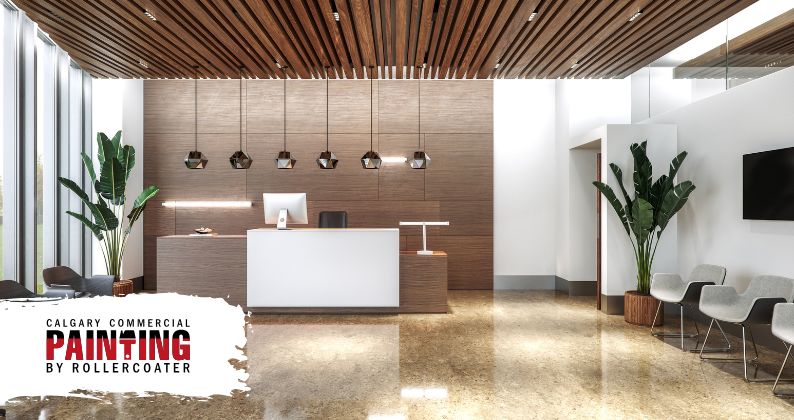
Common areas are among the most frequently used spaces within residential and commercial properties, making them a priority for ongoing maintenance and upkeep. Hallways, lobbies, stairwells, entrances, and shared amenities are often the first areas tenants and visitors see, which means their appearance can have a significant impact on overall property perception. Keeping these spaces well-maintained through regular painting can help create a cleaner, more professional environment while protecting surfaces from everyday wear and tear.
This article explores the key common area painting priorities property managers should consider, the benefits of maintaining shared spaces, and strategies for planning painting projects effectively. Understanding the value of Property Management Painting can help maintain property value, improve tenant satisfaction, and create a positive first impression.
Common areas play an important role in the appearance, functionality, and overall perception of a property. Whether managing a condominium, apartment building, office complex, or mixed-use property, maintaining shared spaces helps create a positive experience for tenants, visitors, and prospective occupants. Because these areas experience frequent use, they are often among the first parts of a property to show signs of wear and tear.
Painted surfaces in common areas are exposed to constant foot traffic, moving furniture, cleaning activities, carts, luggage, and daily contact from residents and visitors. Over time, scuffs, scratches, stains, and fading can affect the appearance of walls and other painted surfaces. Prioritizing these spaces through Property Management Painting helps preserve a clean and professional environment while supporting the overall appearance of the building.
Common areas that typically require painting attention include:
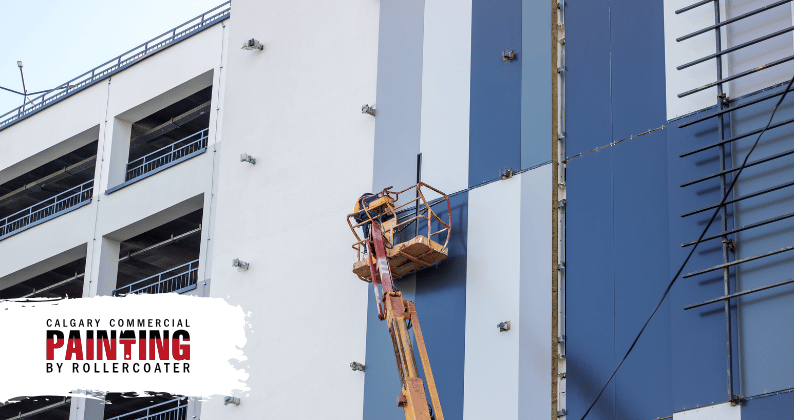
Building entrances are often the first areas visitors encounter. A clean and well-maintained entrance helps create a positive first impression and reflects the overall quality of the property. Faded paint, visible damage, or neglected surfaces can quickly diminish the appearance of an otherwise attractive building.
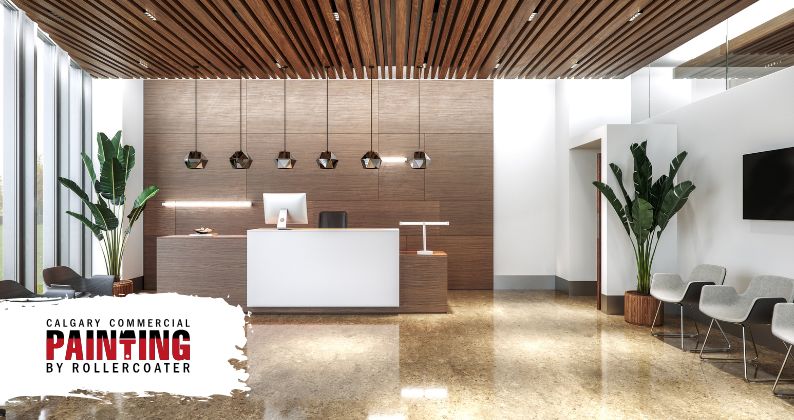
Lobbies are another high-priority area. These spaces often function as the central hub of a property and receive significant daily traffic. Because tenants and visitors regularly pass through these areas, maintaining a fresh and welcoming appearance can have a substantial impact on overall property perception.
Hallways and corridors frequently experience some of the highest levels of wear. Residents moving belongings, delivery personnel, cleaning equipment, and daily traffic can all contribute to surface damage. Walls in these spaces often require periodic repainting to maintain a professional appearance.
Stairwells are sometimes overlooked during maintenance planning, yet they often experience extensive use. Repainting stairwells helps improve appearance while contributing to a more consistent look throughout the property.
Elevator areas can also benefit from regular painting maintenance. Since elevators are highly visible and frequently used, maintaining clean and attractive surrounding surfaces helps support the property's overall image.
Shared amenities such as fitness rooms, lounges, meeting spaces, and community rooms may require additional attention due to frequent occupancy and varying levels of activity. These areas often serve as valuable tenant amenities and should reflect the quality standards of the property.
By identifying high-traffic spaces and addressing wear proactively, property managers can help maintain a consistent appearance throughout the building. Prioritizing common areas for painting projects often produces noticeable improvements that benefit both tenants and visitors.
BENEFITS OF REGULAR COMMON AREA PAINTING
Regular Property Management Painting can help property owners maintain attractive common areas while reducing the visual impact of everyday wear and tear. Painting common areas is about more than improving aesthetics. Regular maintenance can contribute to tenant satisfaction, property value, and long-term building preservation. A well-maintained property often creates a stronger impression and demonstrates a commitment to quality management.
One of the most significant benefits of regular painting is improved visual appeal. Fresh paint can instantly brighten shared spaces, update outdated interiors, and create a cleaner overall appearance. This improvement may positively influence how residents and visitors perceive the property.
Benefits of regular common area painting include:
Tenant satisfaction is often closely connected to property condition. Residents who live in clean, attractive environments may be more likely to feel positively about their living experience. While painting alone does not determine tenant satisfaction, it can contribute to a more pleasant atmosphere.
First impressions remain important for prospective tenants, property owners, investors, and visitors. Well-maintained common areas demonstrate attention to detail and suggest that the property is actively managed. This perception can influence how individuals evaluate the building as a whole.
Regular painting can also help protect surfaces from ongoing wear. Paint acts as a protective layer that helps reduce the impact of minor scuffs, marks, and environmental exposure. Maintaining painted surfaces can contribute to longer-lasting building materials and reduce visible deterioration.
Property value may also benefit from consistent maintenance efforts. Buildings that appear well cared for often maintain stronger market appeal than properties showing obvious signs of neglect. While many factors influence property value, appearance remains an important consideration.
Consistency throughout a property is another advantage of scheduled painting projects. Coordinated colours and maintained surfaces help create a cohesive appearance that reinforces professionalism and quality. This consistency can be particularly valuable in larger residential and commercial properties.
Tenant retention may also improve when common areas remain attractive and well-maintained. Residents often notice the condition of shared spaces, and ongoing improvements can help demonstrate that management is invested in preserving the property.
Routine painting can reduce the need for more extensive restoration projects later. Addressing wear before it becomes severe often allows maintenance teams to resolve issues more efficiently and cost-effectively.
For property managers, regular painting represents an opportunity to preserve both appearance and functionality. Rather than waiting for surfaces to deteriorate significantly, proactive maintenance helps maintain a higher standard throughout the property.
Ultimately, investing in common area painting helps support a positive environment while protecting the long-term condition of shared spaces. These benefits can contribute to stronger tenant relationships and a more attractive property overall.
PLANNING COMMON AREA PAINTING PROJECTS
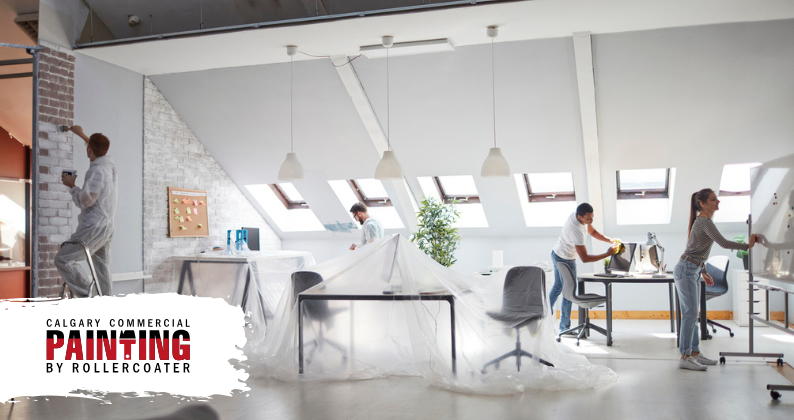
Successful common area painting projects require careful planning. Property managers often oversee multiple responsibilities, making it important to develop painting schedules that minimize disruption while maximizing results. Strategic planning can help ensure maintenance goals are achieved efficiently.
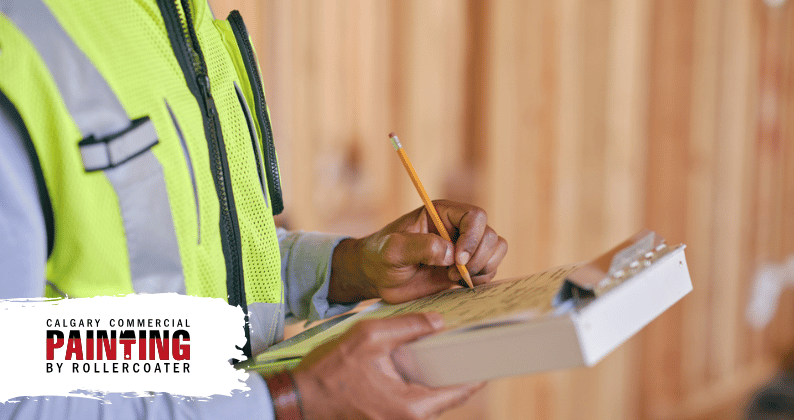
One of the first considerations involves evaluating the condition of existing painted surfaces. Conducting regular inspections allows property managers to identify areas showing signs of wear and determine which spaces should be prioritized.
Important planning considerations include:
Understanding traffic patterns can help determine the most appropriate timing for painting projects. Certain areas may experience lower activity during specific times of the year, allowing maintenance work to proceed with less disruption to residents and visitors.
Budget planning is another important factor. Rather than attempting to repaint all common areas simultaneously, some properties may benefit from phased maintenance schedules. Prioritizing the most heavily used areas first can help maximize available resources while maintaining appearance standards.
Colour selection should also be approached strategically. Neutral and timeless colour palettes often work well in common areas because they provide a clean appearance and appeal to a broad range of occupants. Consistent colour schemes throughout the property can help create a unified and professional look.
Surface preparation plays a critical role in project success. Proper cleaning, repairs, patching, and preparation help support better paint performance and improve overall durability. Skipping preparation steps can reduce the lifespan of painted surfaces and compromise results.
Long-term maintenance planning helps property managers avoid reactive decision-making. Establishing a schedule for inspections, touch-ups, and repainting projects allows maintenance needs to be addressed more predictably. This proactive approach often contributes to better overall property management.
Professional painting services can provide valuable expertise during project planning and execution. Experienced painters understand the unique requirements of high-traffic environments and can recommend products and finishes that support durability and appearance.
Durable coatings may be particularly beneficial in common areas where walls are frequently exposed to contact and cleaning. Selecting appropriate materials can help reduce maintenance requirements and extend repainting intervals.
Communication is another important component of successful project planning. Informing residents and occupants about upcoming work helps manage expectations and minimize inconvenience. Clear communication often contributes to smoother project execution and improved tenant satisfaction.
Property managers should also consider future maintenance needs when planning painting projects. Choosing colours, finishes, and materials that support long-term upkeep can help simplify future maintenance efforts and reduce costs over time.
A well-planned painting strategy allows property managers to maintain attractive common areas while balancing budgets, schedules, and operational requirements. By taking a proactive approach, properties can preserve their appearance and create a more welcoming environment for everyone who uses the space.
Ultimately, Property Management Painting plays a vital role in maintaining common areas throughout residential and commercial properties. High-traffic spaces such as lobbies, hallways, stairwells, and shared amenities require ongoing attention to preserve their appearance and functionality. Through regular maintenance, strategic planning, and proactive painting schedules, property managers can improve tenant satisfaction, strengthen first impressions, and protect the long-term value of their investment. A commitment to maintaining common areas helps create a cleaner, more professional environment that benefits both occupants and visitors while supporting the overall success of the property.
Property management painting focuses on maintaining and improving multi-unit and shared properties through planned, large-scale painting projects. It involves coordinating phased work, aligning with reserve fund budgets, and minimizing disruption for residents and tenants. Beyond improving appearance, it helps protect building surfaces, extend the lifespan of common areas, and support long-term asset value while ensuring consistent, professional results across the entire property.
High-traffic areas such as lobbies, hallways, stairwells, entrances, elevators, and shared amenity spaces are typically the highest priorities because they experience the most wear and are frequently seen by tenants and visitors.
The frequency depends on traffic levels, building usage, and the condition of existing paint. Regular inspections can help property managers determine when touch-ups or full repainting projects are needed.
Property Management Painting helps maintain a clean and professional appearance, protect surfaces from wear, improve tenant satisfaction, and support the long-term value of residential and commercial properties.
With a reputation of delivering competitive pricing, exceptional customer service, and superior results, Calgary Commercial Painting by Roller Coater is Calgary’s choice for residential and commercial painting services. Our team of expert estimators is ready to provide your complimentary consultation and deliver a service plan custom-tailored for your painting project. Fill out the contact form below or call our team directly at (403) 247-2468.
Property Management Painting | Common Areas | Multi-Family Properties