
Preparing your building before a painting project can help reduce delays, improve efficiency, and create a smoother experience for everyone involved. Commercial Painting projects often require careful planning to protect equipment, coordinate schedules, and ensure work areas are ready before painters arrive. Taking the time to prepare in advance can help keep the project on schedule while supporting quality results.
Understanding how to prepare your building allows property owners and managers to minimize disruptions and maintain business operations throughout the project. Proper planning, clear communication, and site readiness can help Commercial Painting projects be completed more efficiently while delivering a professional, long-lasting finish. Taking proactive steps before work begins can also help minimize disruptions, improve safety, and keep the project on schedule from start to finish.
Preparing your building before a commercial painting project can help improve efficiency, reduce disruptions, and contribute to a successful outcome. Taking the time to organize the worksite allows painting crews to begin work promptly while minimizing delays that could affect project timelines. Whether the project involves an office, retail store, warehouse, or industrial facility, preparation plays an important role in achieving professional results.
Preparing in advance also helps identify potential challenges before work begins. Addressing access restrictions, coordinating with building occupants, and reviewing project requirements ahead of time can reduce unexpected delays while helping the painting process remain organized and efficient from start to finish.
Every building has unique operational requirements that should be considered before painting begins. Planning around business hours, employee schedules, customer access, and sensitive equipment can help ensure the project proceeds with minimal interruption. Commercial Painting projects often benefit from a collaborative approach between property owners, managers, and contractors.
Proper preparation may include:
Clear communication is equally important. Discussing timelines, project phases, and access requirements before work begins helps establish expectations for everyone involved. This allows both the contractor and building occupants to understand how the project will progress from start to finish.
Safety is another important consideration. Preparing the work environment by removing unnecessary obstacles, identifying restricted areas, and protecting valuable assets can create a safer workspace for both employees and painting crews. A well-organized site often contributes to greater efficiency while reducing the risk of accidental damage.
Investing time in preparation helps create a smoother painting experience while supporting quality workmanship and minimizing unnecessary complications throughout the project.
BUILDING PREPARATION
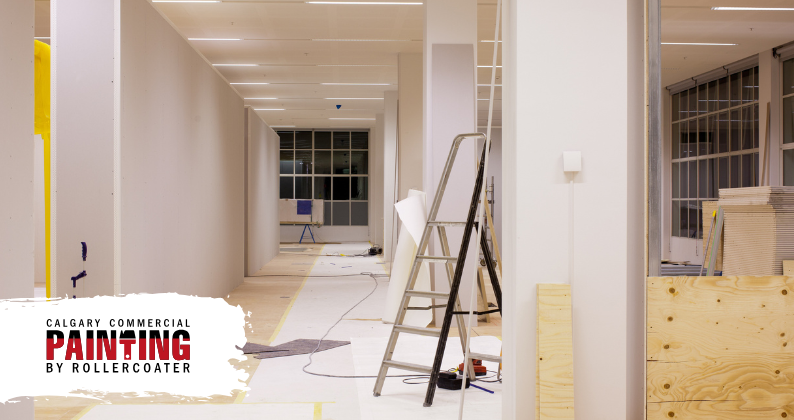
Once the project schedule has been established, preparing the building itself becomes the next priority. Simple steps completed before painters arrive can help crews work more efficiently while protecting furniture, equipment, and everyday business operations.
Cleaning work areas before painting begins can also improve efficiency. Removing unnecessary clutter, organizing storage areas, and ensuring surfaces are easily accessible allows painting crews to focus on preparation and application without unnecessary interruptions during the project.
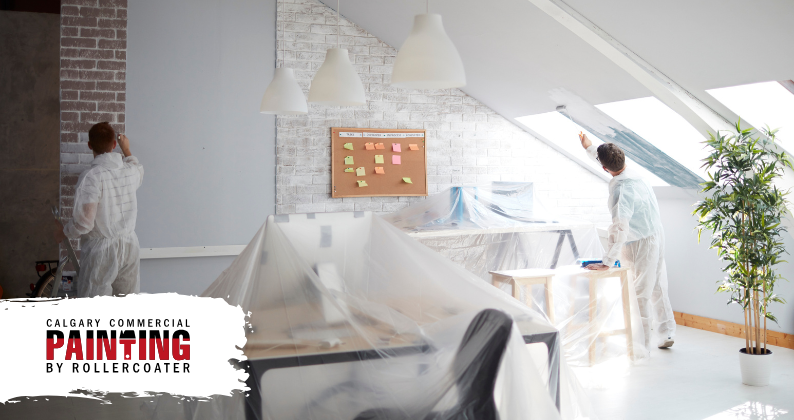
One of the first tasks is clearing the areas that will be painted. Furniture, electronics, inventory, and decorative items may need to be relocated or covered to protect them from dust and paint. Creating unobstructed work areas allows painters to complete each phase more efficiently while helping maintain a clean job site.
Building preparation may include:
Businesses should also consider how employees, customers, or tenants will move throughout the property during the project. Clearly marked walkways, temporary signage, and designated work zones can help maintain normal operations while supporting workplace safety.
Access to utilities, storage areas, and loading zones should also be reviewed before work begins. Ensuring painters have convenient access to the necessary areas helps reduce unnecessary interruptions while improving productivity throughout the project.
It is also beneficial to complete a walkthrough with the painting contractor before work starts. Reviewing the project scope, identifying any existing damage, and confirming expectations can help prevent misunderstandings while ensuring everyone is aligned on the desired outcome.
Taking these preparation steps allows Commercial Painting projects to proceed more efficiently while helping protect both the property and daily business activities.
REDUCING DISRUPTIONS
One of the primary goals of preparation is reducing the impact a painting project has on everyday business operations. With proper planning, many commercial painting projects can be completed while businesses remain open and productive.
Preparing employees, tenants, and visitors before work begins can also help the project run more smoothly. Sharing schedules, outlining temporary access changes, and communicating project expectations in advance allows everyone to plan accordingly while reducing confusion throughout the painting process.
Maintaining open communication throughout the project helps keep everyone informed as work progresses. Providing updates on schedules, completed areas, and upcoming phases allows employees, tenants, and visitors to plan accordingly while supporting a smooth and well-organized painting experience.
Scheduling work during evenings, weekends, or slower business hours may help minimize interruptions for employees and customers. Depending on the size of the project, painting can often be completed in phases so that different sections of the building remain accessible throughout the process.
Strategies to reduce disruption include:
Communication throughout the project is essential. Providing regular updates allows employees, tenants, and customers to understand which areas may be temporarily inaccessible while helping everyone plan accordingly. This level of coordination often improves the overall project experience.
Working with an experienced commercial painting contractor can also make a significant difference. Professional crews understand how to organize projects efficiently, maintain clean work areas, and adapt schedules when necessary to accommodate business needs. Their experience often helps projects stay on schedule while maintaining high-quality workmanship.
Once the project is complete, conducting a final walkthrough helps confirm that all work meets expectations and that the building is ready to return to normal operations. Addressing any final touch-ups before the project concludes helps ensure a polished, professional result.
Ultimately, careful planning before work begins helps create a more efficient painting process while protecting your property, supporting business continuity, and maximizing the value of your Commercial Painting investment.
Commercial interior painting focuses on upgrading and maintaining the inside surfaces of business and multi-unit properties. It includes proper surface preparation, minor repairs, and the application of durable, low-odour coatings designed for high-traffic environments. Beyond improving appearance, it supports a clean, professional atmosphere, enhances employee and customer experience, and helps protect walls and surfaces from wear over time.
Preparing your building may include moving furniture, protecting equipment, clearing work areas, notifying occupants, and coordinating schedules with your painting contractor to help the project run efficiently.
In many cases, yes. Commercial painting projects can often be completed in phases or during evenings and weekends to help minimize disruptions to daily operations.
Proper preparation helps improve efficiency, protects valuable assets, enhances workplace safety, and allows painting crews to complete the project with fewer delays.
With a reputation of delivering competitive pricing, exceptional customer service, and superior results, Calgary Commercial Painting by Roller Coater is Calgary’s choice for residential and commercial painting services. Our team of expert estimators is ready to provide your complimentary consultation and deliver a service plan custom-tailored for your painting project. Fill out the contact form below or call our team directly at (403) 247-2468.
Commercial Interior Painting | Commercial Painting | Office Painting | Building Preparation | Commercial Painters