
Properly scoping commercial painting and industrial painting projects in Calgary is essential for ensuring accurate budgeting, efficient execution, and long-term performance. A well-defined scope outlines surface conditions, preparation requirements, coating systems, and project timelines before work begins. This helps reduce unexpected costs, delays, and miscommunication between stakeholders. By conducting thorough site assessments and planning in advance, property owners and managers can make informed decisions and select the right contractors for the job. Effective project scoping ultimately leads to smoother operations, better results, and more durable coatings. It also ensures that all materials, labor requirements, and safety considerations are clearly defined from the start, minimizing risks throughout the project lifecycle. Proper scoping improves coordination between teams, reduces costly change orders, and helps maintain project timelines without unnecessary disruptions.
Properly scoping commercial painting and industrial painting projects in Calgary is essential for ensuring accurate budgeting, efficient execution, and long-term performance. Without a clearly defined scope, even well-planned projects can face delays, cost overruns, and inconsistent results. Scoping sets the foundation for every stage of the project, from initial planning to final completion.
A detailed scope identifies all relevant factors before work begins. This includes evaluating surface conditions, determining preparation requirements, selecting coating systems, and establishing realistic timelines. In commercial environments, these early decisions directly impact durability, cost control, and overall project success. By defining these elements early, stakeholders can align expectations and avoid confusion during execution.
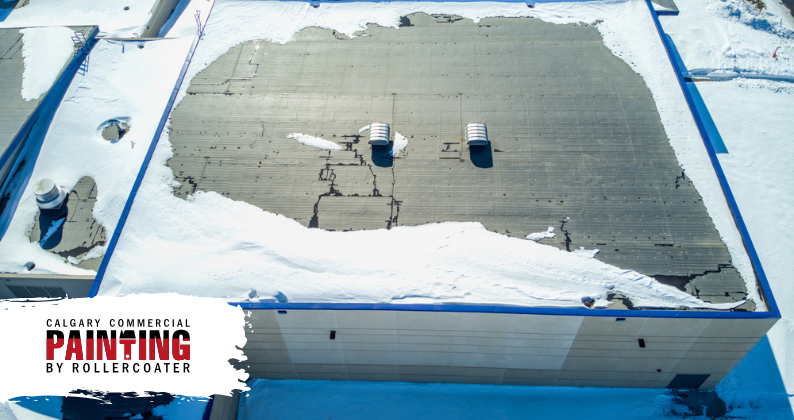
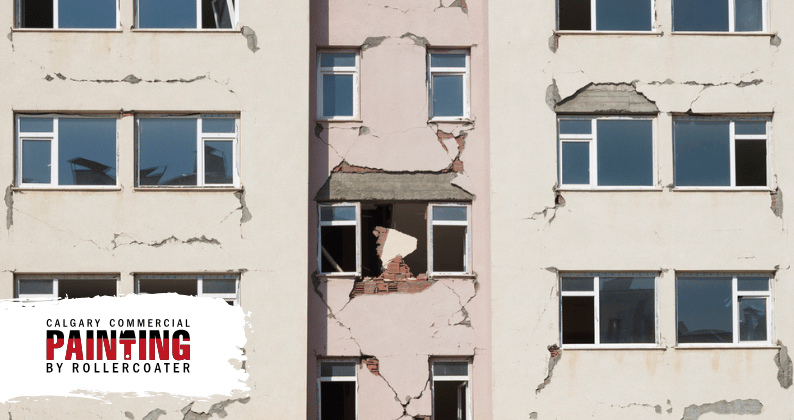
In large-scale facilities, unknown variables can quickly affect progress. Hidden surface damage, access limitations, or environmental exposure can disrupt workflows if they are not addressed during planning. Proper scoping helps uncover these challenges in advance, allowing projects to move forward with fewer disruptions and more predictable outcomes.
Clear documentation also improves communication across all teams. In commercial painting projects, multiple stakeholders must stay aligned throughout the process. Proper scoping ensures that contractors, property managers, and decision-makers understand the full scope of work and responsibilities, reducing the risk of miscommunication.
Key reasons why proper scoping matters include:
Proper scoping also supports better decision-making. When all project variables are outlined, property owners and managers can evaluate options more effectively. This includes selecting appropriate materials, defining preparation methods, and choosing experienced contractors. With accurate information available, decisions are based on facts rather than assumptions.
Ensures quality results and ROI. Proper planning allows projects to move forward with confidence, minimizing uncertainty and maximizing efficiency. In complex commercial and industrial environments, this level of preparation is critical to achieving consistent outcomes and maintaining long-term performance.
Commercial Painting Scope
An effective scope provides a comprehensive outline of all work requirements. Each component plays a critical role in ensuring that the project is completed successfully and meets performance expectations. Missing or unclear details can lead to complications during execution.
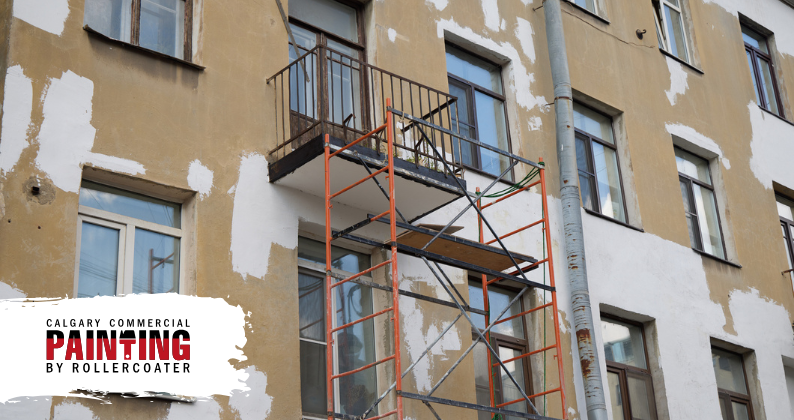
Surface evaluation is one of the most important aspects of project scoping. Before any painting begins, surfaces must be inspected to assess their current condition. This includes identifying issues such as corrosion, cracks, contamination, or previous coating failures. Understanding these conditions allows contractors to determine the level of preparation required and select the appropriate coating system.
Preparation requirements must also be clearly defined. Surface preparation is essential for ensuring proper adhesion and long-term durability. This may involve cleaning, sanding, grinding, or removing existing coatings. Without proper preparation, even high-quality coatings can fail prematurely, leading to additional costs and rework.
Coating selection is another critical component. Different environments require different types of coatings based on exposure conditions. For example, areas exposed to moisture, chemicals, or heavy traffic may require specialized systems designed for durability and resistance. Choosing the right materials ensures that the coating performs as intended over time.
Project timelines and scheduling must also be included in the scope. In commercial painting projects, work often needs to be completed in phases or during off-hours to minimize disruption. Proper scheduling ensures that operations can continue while the project is completed efficiently.
Important elements of an effective scope include:
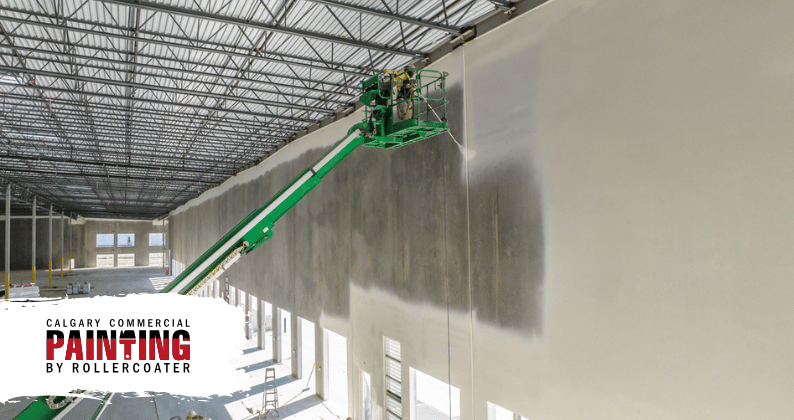
Safety considerations are equally important. Industrial and commercial environments often involve hazards such as working at heights, operating near equipment, or dealing with confined spaces. Including safety protocols in the scope ensures that all necessary precautions are taken to protect workers and maintain compliance with regulations.
Accurate scoping also improves cost estimation. When all aspects of the project are clearly defined, contractors can provide more precise quotes. This reduces the likelihood of unexpected expenses and helps property owners stay within budget.
By addressing each of these elements in detail, the scope becomes a reliable roadmap. This level of planning supports smoother execution, better coordination, and improved overall results in commercial painting work.
Long-term Commercial Painting Benefits
Investing time in proper project scoping delivers significant long-term benefits. While it may require additional effort during the planning phase, the advantages gained throughout the project lifecycle make it a valuable investment.
One of the most important benefits is cost control. Accurate scoping reduces the likelihood of unexpected expenses by identifying all requirements upfront. This allows for more precise budgeting and minimizes the need for costly changes during the project. Over time, this leads to better financial management and improved return on investment.
Efficiency is another major advantage. When a project is properly scoped, work can proceed without unnecessary interruptions or delays. Teams have a clear understanding of their responsibilities, and tasks can be completed in a logical sequence. This improves productivity and ensures that the project stays on schedule.
Quality is also enhanced through proper scoping. By selecting the right materials and defining preparation requirements, the final result is more durable and consistent. This reduces the need for frequent maintenance and extends the lifespan of the coating system, especially in demanding commercial environments.
Risk reduction is another key benefit. Identifying potential challenges in advance allows for proactive planning and mitigation. This reduces the likelihood of safety incidents, project delays, and performance issues. A well-scoped project is better equipped to handle unexpected conditions without significant disruption.
Long-term benefits include:
Proper scoping also supports long-term maintenance planning. When project details are documented, future maintenance becomes more predictable and efficient. Property managers can plan repaint cycles, schedule inspections, and budget for future work with greater accuracy.
In larger facilities, maintaining records of completed work improves communication between teams. Contractors and maintenance staff can reference past projects to better understand what was done and what may be required next. This creates consistency across multiple phases of work.
Ultimately, proper scoping is not just a planning step. It is a strategic approach that ensures commercial painting projects are executed with precision, efficiency, and long-term durability. By prioritizing detailed planning from the beginning, property owners and managers can achieve better results, reduce costs, and maximize the value of their investment.
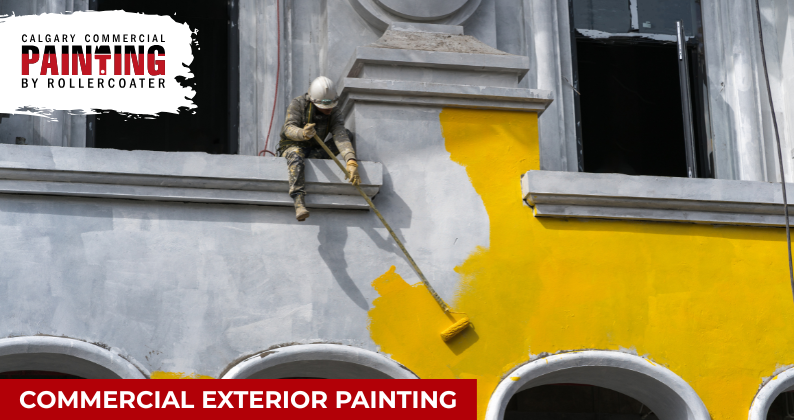
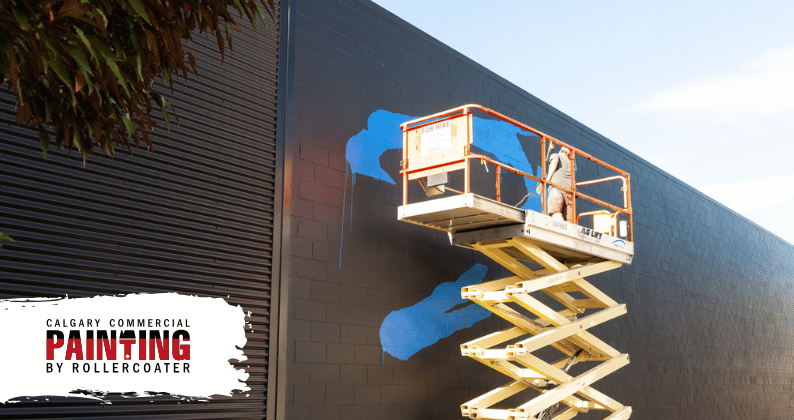
Commercial exterior painting focuses on protecting and enhancing the outside surfaces of business and multi-unit properties. It involves surface preparation, repairs, and the application of durable, weather-resistant coatings designed to withstand harsh conditions such as UV exposure, moisture, and temperature changes. Beyond improving appearance, it helps extend the lifespan of building materials, supports property value, and maintains a professional image for tenants, customers, and stakeholders.
A commercial painting project scope includes surface evaluations, preparation methods, coating systems, timelines, and safety requirements to ensure efficient and accurate execution.
Proper scoping helps reduce delays, control costs, improve communication, and ensure consistent, high-quality results across commercial painting projects.
Proper scoping defines all project requirements upfront, allowing for better planning, fewer unexpected issues, and more durable, long-lasting coating performance.
With a reputation of delivering competitive pricing, exceptional customer service, and superior results, Calgary Commercial Painting by Roller Coater is Calgary’s choice for residential and commercial painting services. Our team of expert estimators is ready to provide your complimentary consultation and deliver a service plan custom-tailored for your painting project. Fill out the contact form below or call our team directly at (403) 247-2468.
Commercial Exterior Painting | Industrial Projects | Surface Preparation | Protective Coatings | Calgary