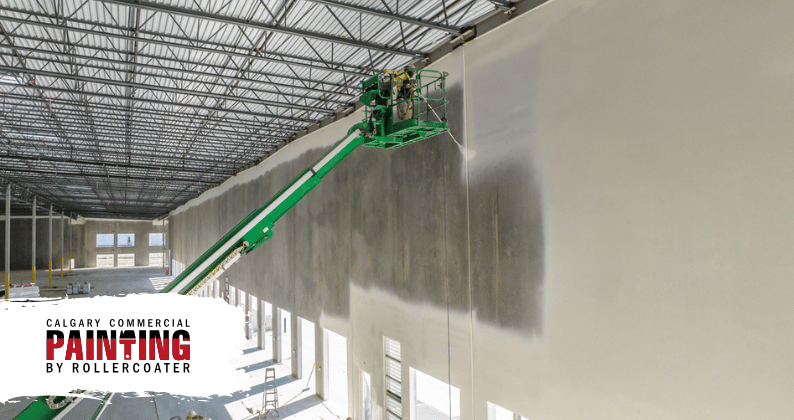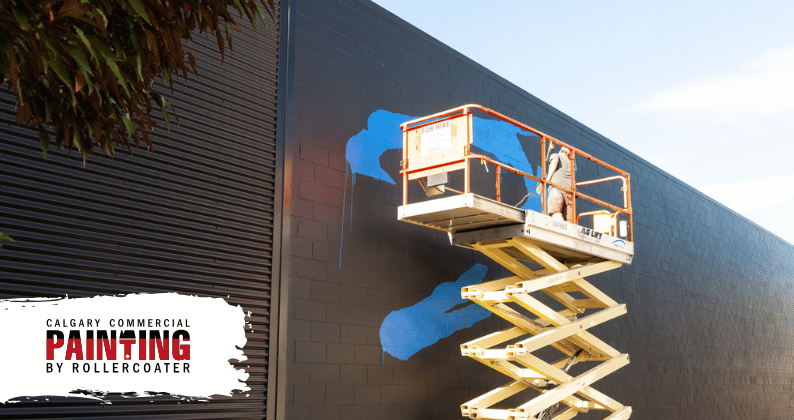
Proper warehouse painting and repainting schedules are essential for maintaining the durability, safety, and performance of industrial facilities. Rather than relying on fixed timelines, repainting should be based on factors such as surface wear, environmental exposure, and operational demands. High-traffic warehouses and facilities exposed to moisture, chemicals, or heavy equipment often require more frequent maintenance to prevent coating failure and structural damage.
By conducting regular inspections and planning warehouse painting projects proactively, facility managers can reduce long-term costs, minimize downtime, and extend the lifespan of building surfaces. A well-structured repainting strategy also improves safety, enhances visibility, and ensures consistent operational efficiency. Investing in proper repainting schedules ultimately helps industrial facilities maintain performance while protecting valuable assets.
Warehouse painting schedules are not fixed and should never be treated as a one-size-fits-all solution. Instead, repainting timelines depend on several factors, including environmental exposure, operational intensity, and the condition of existing coatings. Industrial facilities experience significantly more wear than standard commercial spaces, making it essential to approach maintenance strategically.
In most cases, warehouse painting should be evaluated every 5 to 10 years. However, this range can vary depending on the environment. Facilities exposed to moisture, chemicals, or fluctuating temperatures may require more frequent repainting to maintain proper protection. In high-demand environments, repainting becomes part of a preventative maintenance strategy rather than a reactive fix.
Heavy equipment and constant movement also contribute to faster wear. Forklifts, pallet jacks, and loading operations create repeated impact and abrasion on surfaces. Over time, this damages coatings and exposes underlying materials to further deterioration. Regular warehouse painting helps prevent these issues from escalating into costly repairs.
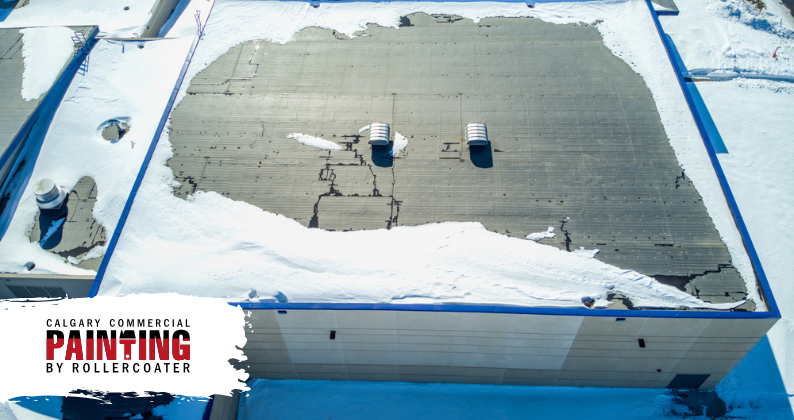
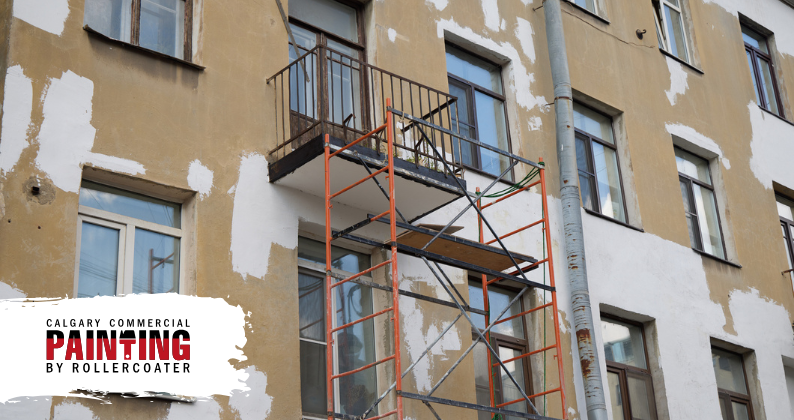
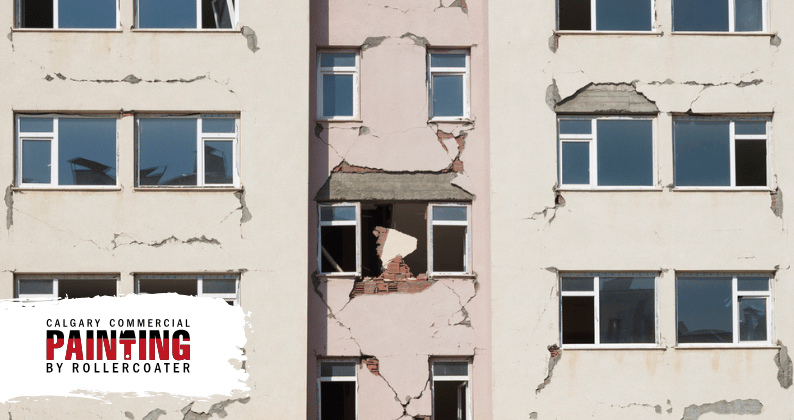
Surface condition is one of the most reliable indicators of repainting needs. Peeling, cracking, fading, or corrosion are clear signs that coatings are no longer performing effectively. Addressing these issues early ensures that surfaces remain protected and structurally sound.
Operational demands also influence repainting schedules. Warehouses that operate continuously or handle high volumes of goods experience more stress on their surfaces. In these cases, warehouse painting may need to be performed more frequently to maintain durability and safety standards.
Key factors that affect warehouse painting frequency include:
Routine inspections are critical for maintaining an effective schedule. Rather than waiting for visible failure, facility managers should monitor coating performance and plan maintenance proactively. This approach allows for better budgeting and minimizes unexpected downtime.
A well-planned repainting schedule ensures consistent performance and long-term cost control. Facilities that prioritize regular maintenance extend the lifespan of their surfaces while avoiding major structural issues. In industrial environments, this level of planning is essential for maintaining efficiency and protecting assets.
Warehouse Painting Scope
A successful warehouse painting project begins with proper planning. Simply applying a new coat of paint is not enough to ensure long-term results. A detailed scope outlines all requirements and ensures that the project is executed efficiently and effectively.
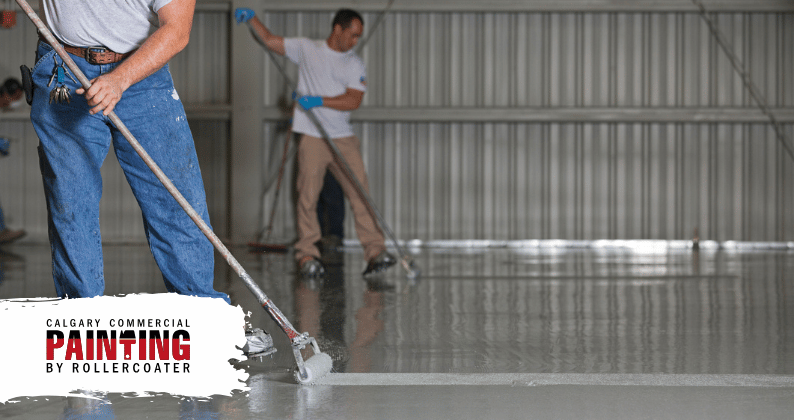
Surface preparation is one of the most important components of warehouse painting. Before coatings are applied, surfaces must be cleaned, repaired, and prepared to ensure proper adhesion. This may include removing old coatings, addressing corrosion, or eliminating contaminants such as oils and dust. Without proper preparation, coatings are more likely to fail prematurely.
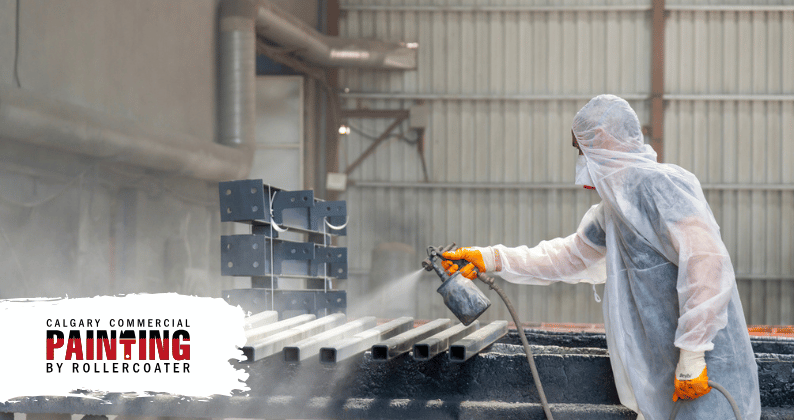
Coating selection is another critical factor. Different warehouse environments require different types of coatings based on exposure conditions and usage. High-performance coatings are often necessary to withstand heavy traffic, chemical exposure, and environmental stress. Choosing the right system ensures durability and reduces the need for frequent repainting.
Scheduling must also be carefully planned. Many warehouses operate continuously, making it difficult to stop operations for maintenance. Warehouse painting projects often need to be completed in phases or during off-hours to minimize disruption. Proper scheduling ensures that work can be completed without affecting productivity.
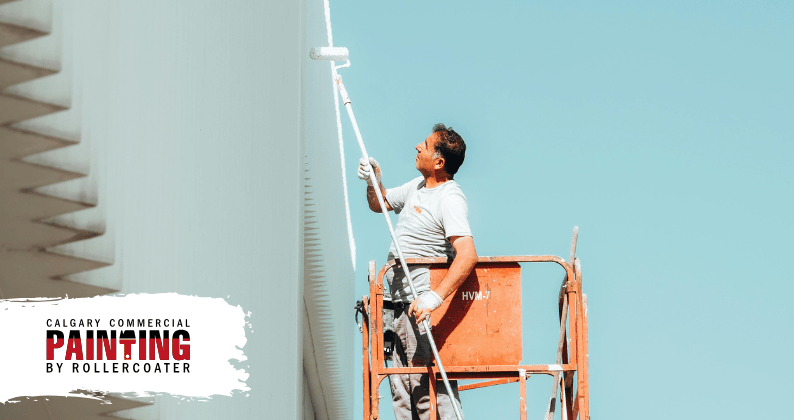
Safety is a major consideration in any industrial project. Warehouse painting often involves working at heights, operating near equipment, and navigating complex layouts. A well-defined scope includes safety protocols to protect workers and ensure compliance with regulations.
Important elements of a warehouse painting scope include:
Environmental conditions must also be taken into account. Temperature, humidity, and airflow can all affect how coatings cure and perform. Ignoring these factors can lead to poor application results and reduced coating lifespan.
Communication between stakeholders is essential for project success. Facility managers, contractors, and maintenance teams must be aligned on expectations, timelines, and responsibilities. Clear communication helps prevent delays and ensures that all aspects of the project are handled properly.
A well-defined scope acts as a roadmap for execution. It ensures that every step of the process is planned and coordinated, reducing uncertainty and improving overall results. In industrial environments, this level of detail is necessary to achieve consistent performance and long-term durability.
Warehouse Painting Benefits
Maintaining a consistent warehouse painting schedule provides a wide range of long-term benefits. While repainting requires an upfront investment, it helps protect assets, improve safety, and reduce overall operational costs.
One of the primary benefits of warehouse painting is surface protection. Coatings act as a barrier against moisture, chemicals, and physical wear. Regular maintenance ensures that this barrier remains effective, preventing damage to underlying materials and extending the lifespan of the facility.
Cost control is another significant advantage. Repainting surfaces before coatings fail completely helps avoid expensive repairs and structural damage. Preventative maintenance is far more cost-effective than reactive solutions, especially in large industrial environments.
Safety improvements are also a key benefit. Well-maintained surfaces improve visibility and allow for clear safety markings, such as walkways and hazard zones. This is especially important in warehouses where heavy equipment and high traffic are common.
Appearance also plays a role in overall facility performance. A clean and well-maintained environment reflects professionalism and attention to detail. This can positively impact employees, clients, and inspections, reinforcing strong operational standards.
Long-term benefits of warehouse painting include:
Warehouse painting also contributes to operational efficiency. When surfaces are properly maintained, equipment operates more smoothly and workflows are less likely to be disrupted by maintenance issues. This helps maintain consistent productivity and reduces downtime.
In addition, keeping records of warehouse painting projects supports long-term planning. Facility managers can track when work was completed, what materials were used, and when repainting may be required again. This allows for more accurate budgeting and scheduling.
Over time, a structured maintenance strategy becomes an essential part of facility management. It ensures that warehouses remain functional, safe, and efficient while minimizing unexpected costs. Consistent planning also allows for better coordination between maintenance teams and contractors.
Ultimately, warehouse painting is not just a maintenance task. It is a strategic investment that supports long-term performance, protects valuable assets, and ensures that industrial facilities continue to operate effectively under demanding conditions.
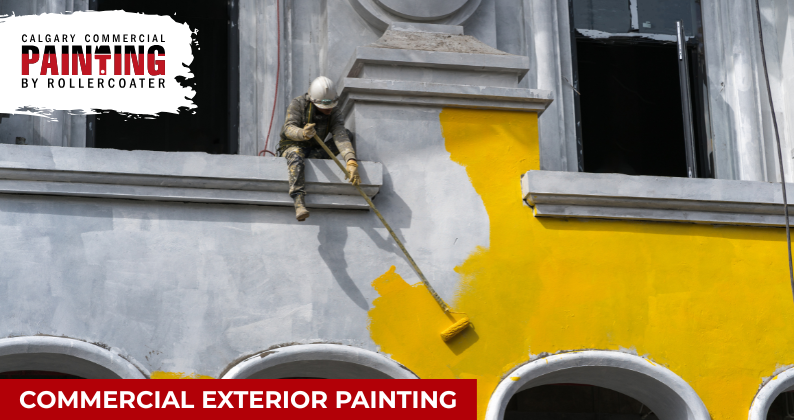
Commercial exterior painting focuses on protecting and enhancing the outside surfaces of business and multi-unit properties. It involves surface preparation, repairs, and the application of durable, weather-resistant coatings designed to withstand harsh conditions such as UV exposure, moisture, and temperature changes. Beyond improving appearance, it helps extend the lifespan of building materials, supports property value, and maintains a professional image for tenants, customers, and stakeholders.
Warehouse painting is typically recommended every 5 to 10 years, depending on environmental exposure, usage, and coating condition.
Factors include equipment traffic, moisture, chemicals, surface condition, and overall operational demands.
Warehouse painting protects surfaces, improves safety, reduces costs, and supports long-term operational performance.
With a reputation of delivering competitive pricing, exceptional customer service, and superior results, Calgary Commercial Painting by Roller Coater is Calgary’s choice for residential and commercial painting services. Our team of expert estimators is ready to provide your complimentary consultation and deliver a service plan custom-tailored for your painting project. Fill out the contact form below or call our team directly at (403) 247-2468.
Commercial Exterior Painting | Surface Preparation | Industrial Facilities | Protective Coatings | Calgary