Reducing downtime during commercial painting projects is essential for maintaining productivity and minimizing operational disruption. In active environments, strategic planning, phased execution, and after-hours scheduling allow businesses to continue running while upgrades are completed. Commercial painting in occupied facilities requires careful coordination to ensure efficiency without compromising quality.
By aligning painting work with daily operations and using flexible scheduling approaches, facility managers can avoid costly delays and maintain workflow continuity. From proper preparation to clear communication, a well-managed approach ensures projects are completed on time while keeping disruptions to a minimum. Ultimately, reducing downtime leads to better efficiency, lower costs, and smoother project execution.
In addition, selecting the right materials and application methods can further improve efficiency. Fast-drying coatings, low-odor products, and durable finishes help reduce downtime while maintaining performance in high-use environments.
Reducing downtime is one of the most important considerations in any commercial painting project, especially in active facilities where daily operations cannot be interrupted. Businesses rely on consistent productivity, and even minor disruptions can lead to delays, lost revenue, and operational inefficiencies. Because of this, planning plays a critical role in ensuring that painting projects are completed without negatively impacting workflow.
In commercial environments, every facility has unique operational demands. Warehouses, industrial buildings, and retail spaces often run on tight schedules, making it essential to coordinate painting work around existing activities. Instead of forcing operations to adjust to the project, the project must be designed to fit within operational constraints.
Strategic planning begins with a full assessment of the facility. Identifying high-traffic areas, peak activity times, and critical work zones allows contractors to create a plan that minimizes interference. This ensures that the most sensitive areas are handled carefully and at appropriate times.
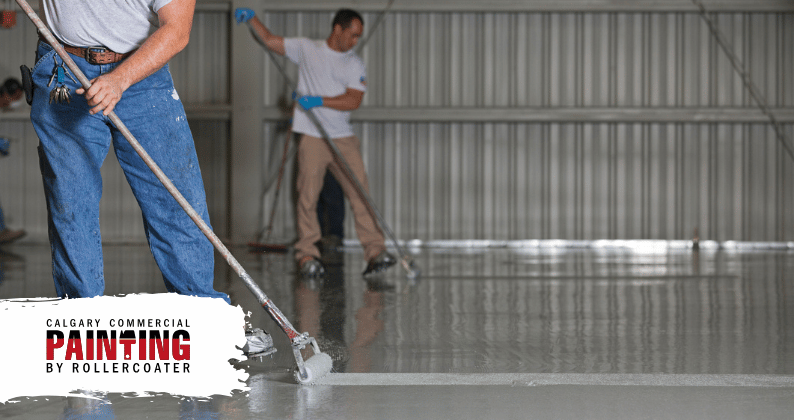
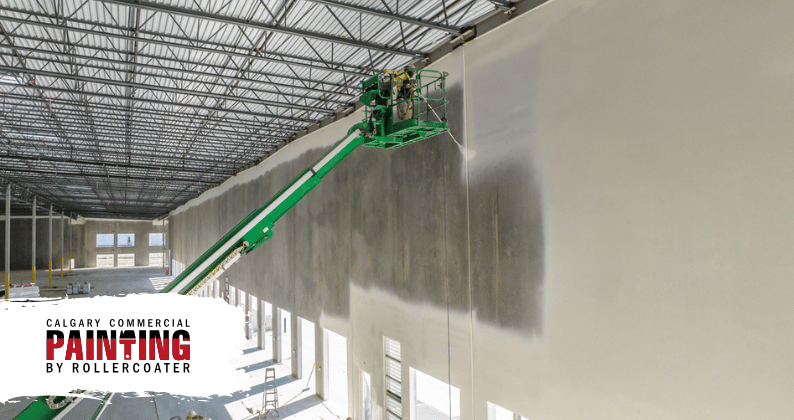
Phased execution is one of the most effective strategies used in commercial painting projects. Rather than shutting down an entire facility, work is divided into sections. This allows operations to continue in unaffected areas while painting progresses in stages. Phasing ensures continuity while maintaining steady progress.
Another important factor is scheduling. Many projects are completed during off-hours, weekends, or low-activity periods to reduce disruption. This approach is especially effective in facilities that operate during standard business hours.
Key planning strategies to reduce downtime include:
Preparation is equally important. Ensuring that all resources are ready before work begins eliminates unnecessary delays. When crews arrive fully prepared, they can complete tasks efficiently without interruptions.
Communication is another essential component of planning. Facility managers, staff, and contractors must be aligned on expectations and timelines. Clear communication helps prevent confusion and ensures that everyone understands how the project will unfold.
By focusing on detailed planning, commercial painting projects can be completed efficiently while allowing businesses to continue operating with minimal disruption. This approach sets the foundation for a successful project.
Painting Coordination
While planning sets the direction, coordination ensures that everything runs smoothly during execution. Without proper coordination, even well-planned projects can experience delays, inefficiencies, and unnecessary downtime. In commercial painting Calgary projects, coordination is key to maintaining workflow while work is being completed.
One of the most important aspects of coordination is aligning painting activities with other ongoing work. Many facilities undergo multiple upgrades simultaneously, including construction, maintenance, and equipment installation. Painting must be scheduled in a way that avoids conflicts with these activities.
Access management is another critical factor. Industrial and commercial buildings often have complex layouts, including restricted areas, high ceilings, and active work zones. Ensuring safe and efficient access to all surfaces allows painters to work quickly and effectively without disrupting operations.
Work sequencing also plays a major role. Preparation, application, and drying times must be carefully managed to prevent delays. If one stage is not completed properly or on time, it can impact the entire project timeline.
Environmental conditions must also be considered. Temperature, humidity, and ventilation can all affect how coatings perform. Managing these factors ensures that work is completed efficiently and reduces the risk of rework.
Important coordination factors include:
Safety coordination is equally important. Painting often takes place in active environments where employees and equipment are present. Proper safety measures must be implemented to protect both workers and facility staff.
Flexibility is another key component of coordination. Unexpected challenges can arise, such as schedule changes or operational adjustments. Being able to adapt quickly ensures that the project continues without major disruptions.
Another important aspect is supervision and oversight. Having a clear point of contact or project manager helps ensure that all teams remain aligned. This reduces miscommunication and keeps the project on track.
Strong coordination ensures that commercial painting projects are executed efficiently, reducing downtime and maintaining productivity. It allows all moving parts of the project to work together seamlessly.
Commercial Painting Efficiency Benefits
Reducing downtime during commercial painting projects provides significant benefits for businesses. While the primary goal is to minimize disruption, the long-term advantages extend far beyond maintaining operations.
One of the most immediate benefits is improved productivity. When downtime is reduced, employees can continue their work without major interruptions. This helps maintain consistent output and prevents delays in daily operations.
Cost savings are another major advantage. Downtime can be expensive, particularly in industrial and commercial environments where time is directly tied to revenue. Minimizing disruptions helps avoid unnecessary expenses and keeps projects within budget.
Efficiency also improves when projects are properly managed. Completing work on schedule reduces the likelihood of extended timelines and ensures that facilities return to normal operations as quickly as possible.
Another key benefit is workflow continuity. Maintaining access to essential areas allows businesses to operate smoothly even while upgrades are taking place. This is particularly important in high-traffic environments.
Key benefits of reducing downtime include:
In addition to operational benefits, reducing downtime improves the overall experience for employees and stakeholders. A well-organized project creates less confusion and allows teams to adapt more easily to temporary changes.
Another important advantage is long-term planning. When projects are completed efficiently, facility managers can establish predictable maintenance schedules. This reduces the likelihood of unexpected disruptions in the future.
Material selection also contributes to efficiency. Using fast-drying coatings and low-odor products allows spaces to be returned to service more quickly. This is especially beneficial in occupied environments where downtime must be minimized.
Proper execution also helps preserve the condition of the facility. By completing work efficiently and correctly, surfaces are protected from wear and environmental damage, reducing the need for frequent repairs.
Additionally, a well-managed project reflects positively on the business. Maintaining a professional environment during upgrades helps build confidence with clients, partners, and employees.
Ultimately, commercial painting is not just about improving appearance—it is about supporting operational success. Reducing downtime ensures that businesses can continue functioning while upgrades are completed, leading to better efficiency, lower costs, and stronger long-term performance.
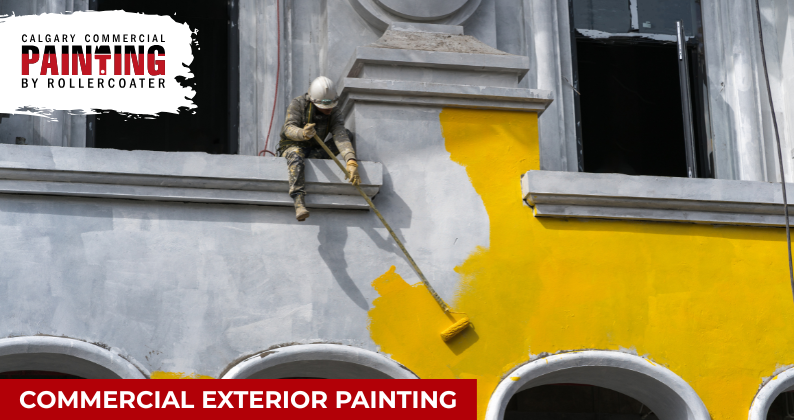
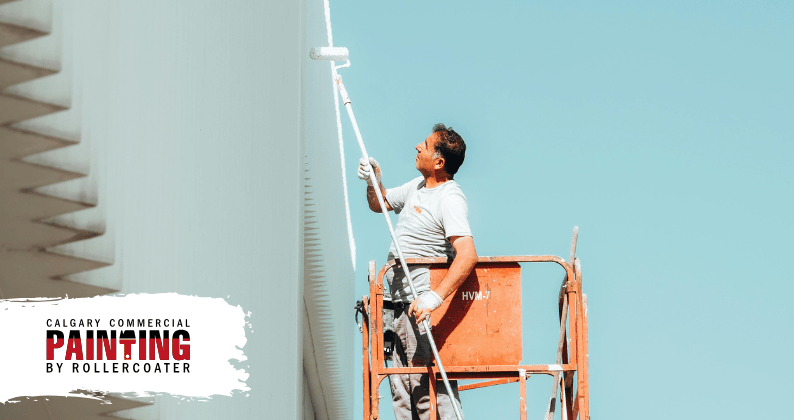
Commercial exterior painting focuses on protecting and enhancing the outside surfaces of business and multi-unit properties. It involves surface preparation, repairs, and the application of durable, weather-resistant coatings designed to withstand harsh conditions such as UV exposure, moisture, and temperature changes. Beyond improving appearance, it helps extend the lifespan of building materials, supports property value, and maintains a professional image for tenants, customers, and stakeholders.
Downtime can be reduced through proper planning, phased execution, off-hours scheduling, and clear coordination between contractors and facility operations.
Reducing downtime helps maintain productivity, minimize operational disruptions, and lower overall project costs.
Common strategies include phased work, after-hours scheduling, efficient coordination, and using fast-drying, low-disruption coatings.
With a reputation of delivering competitive pricing, exceptional customer service, and superior results, Calgary Commercial Painting by Roller Coater is Calgary’s choice for residential and commercial painting services. Our team of expert estimators is ready to provide your complimentary consultation and deliver a service plan custom-tailored for your painting project. Fill out the contact form below or call our team directly at (403) 247-2468.
Commercial Exterior Painting | Commercial Exterior Painting | Downtime Reduction | Calgary